Selvakumar Silaiyappan and Sivakumar Palaniyandi
2025 VOL. 12, No. 1
Abstract: This study aims to identify emerging trends in immersive learning research in teacher education in order to provide researchers with insights into research themes and issues for further exploration. Specifically, the researchers scrutinised the research methods, research outcomes, and technologies employed in immersive learning research in teacher education from 2017 to 2023. For this purpose, 192 studies were detected by searching Scopus, Web of Science, ERIC, Google Scholar indexes, and Springer links. This systematic review ultimately included 34 peer-reviewed, open-access articles. The study identified emerging trends in the current literature and analysed them as sub-dimensions; furthermore, it explored the potential outcomes drawn from immersive learning technologies in the teacher education context. This systematic review builds on previous ones by adding knowledge about the use of state-of-the-art immersive learning technology in teacher education.
Keywords: immersive learning, immersive technologies, Virtual Reality, Augmented Reality, mixed reality, 360-degree video, teacher education, pre-service and in-service teachers
Digital transformation in education is a physical and philosophical shift intended to meet the ever-increasing demands of students, faculty, and institutions in order to create a learning environment in which everything connects (Abd-Rabo & Hashaikeh, 2021). Immersive learning technology (ILT) is one example of an innovation taking place in education. Learning in an immersive environment is more realistic and engaging because it combines technology with more traditional teaching strategies. It uses technological means, such as digital media, simulations, and interactive tools, to immerse students in their studies (Buljan, 2022). A blended learning methodology could incorporate immersive learning. Generally, classroom instruction can implement immersive learning by utilising technologies like virtual reality (VR), augmented reality (AR), mixed reality (MR), 3D learning, 360-degreevideo, simulation learning, and extended reality (XR) (Kumar, 2020; Barto, 2020; Fleming, 2021; Lau, 2021; Thompson, 2021; Buljan, 2022).Incorporating immersive learning in teacher education has many benefits, such as enhanced engagement, improved understanding, support for diverse learners, digital competency development, and practical skill development in a safe environment (Castano-Calle et al., 2022). Pre-service teachers (PSTs) view VR and AR as valuable tools for teaching and learning, as they believe they enhance student engagement, provide immersive experiences, and promote active learning (Figueroa-Flore & Huffman, 2020). MR and 360-degree videos can support student-teacher reflection, develop a more nuanced understanding of microteaching practice, and enhance self-efficacy towards teaching (Walshe & Driver, 2019). In this regard, India’s National Education Policy (NEP) (2020) emphasises the necessity for teacher education programmes to incorporate training in technological utilisation. This encompasses foundational knowledge in diverse disciplines, including sociology, history, and science, as well as the application of digital tools to enhance educational methodologies (Ministry of Education, 2020).
However, there remain uncertainties regarding the extent of immersive technology's use in teacher education and the potential challenges it could pose. Analysing and quantifying the latest advancements in immersive technology in teacher education will enable researchers to find trends in technology usage and indicate key areas for further study. The goal of this study was to conduct a systematic literature review of the current state of research on ILT usage in teacher education. Furthermore, the study attempted to find out if there were any technological usage and research methodological trends in immersive learning implementation that are most appropriate for learning through immersive-based pedagogy. As a result, the goal of this systematic review was to gather insights from the prior literature on the exploration of ILT in teacher education. Given the aforementioned objectives, this study poses the following research questions.
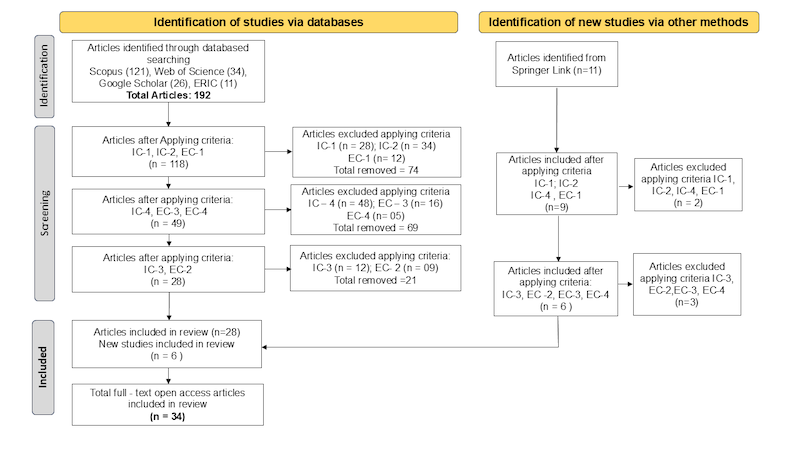
The present study involved a systematic literature review (SLR) with the most recent analyses named Preferred Reporting Items for Systematic Reviews and Meta-Analyses (PRISMA), as shown in Figure 1. PRISMA improves the transparency and quality of reporting in systematic reviews and meta-analyses, facilitating better research practices and informed decision-making (Page et al., 2021).
This review included only open-access articles published by peer-reviewed journals. Al-Emran et al.'s (2018) study cites Hart's (1998) assertion that they deemed both print and online sources acceptable for inclusion in a literature review. This study systematically analysed articles from 2017 to 2023 gathered through different online databases, including Web of Science, Scopus, ERIC, Google Scholar, and Springer links. Included in these databases is a wide range of literature from the technical, social science, and general fields (Hamilton et al., 2021).
This systematic review examined the incorporation of ILT in teacher education and training. The following search string was used in the databases to search for the appropriate literature:
("Immersive Learning" OR “Immersive Learning Technology" OR “Virtual Reality" OR "Augmented Reality" OR "Mixed Reality" OR "360 Degree Video")AND ("Teacher Training" OR "Teacher Education" OR “Teacher Trainees” OR “Prospective Teachers”)
AND ("Effectiveness" OR “Efficacy" OR “Learning Outcome" OR "Academic Achievement")
The SLR methodology outlined the primary study selection criteria for determining which studies to include and exclude in the research. The primary criteria for inclusion were that the studies used immersive-based learning environment strategies in the teacher education context.
Inclusion Criteria (IC)
IC-1: The research focused on the development, application, effectiveness, and perceptions of immersive learning techniques (VR, AR, MR, and 360-degree videos).IC-2: Published between 2017 and 2023, and the articles were peer-reviewed scholarly work.
IC-3: In the context of teacher education or teacher training, the article presented an immersive learning experience.
IC-4: The article was available in both full text and open access modes.
Exclusion Criteria (EC)
EC-1: The article was a technical report, review, PhD thesis, or tutorial.EC-2: The research studies presented an immersive learning technique but no empirical evidence or evaluation.
EC-3: The duplicated research studies had the same content.
EC-4: The article was not in English.
After applying the inclusion and exclusion criteria, 34 references passed all stages and were included in the systematic review. Figure 1 reveals the summary of the selection process by stage.
A few limitations for this review study could be helpful to consider while conducting future research. First, for this review, the researchers selected only open-access research articles, which might limit the outcome of the review study. Second, inclusion was defined as the publication of an article between 2017 and 2023. In a global educational context, technology usage has rapidly increased in the pre- and post-Covid-19 pandemic periods. In this regard, the results of this review appropriately acknowledge the recent trends that have emerged in the current literature. Third, only empirical evidence and evaluation-based articles were included in this review. The researchers believed that these studies were the most relevant to finding solutions to the research questions in this context.
The following section contains the results and discussions based on the analysis under the subcategories of the research questions.
This systematic review explored trends across four dimensions.
i) Distribution of Studies by Type of Immersive Learning Technology Used
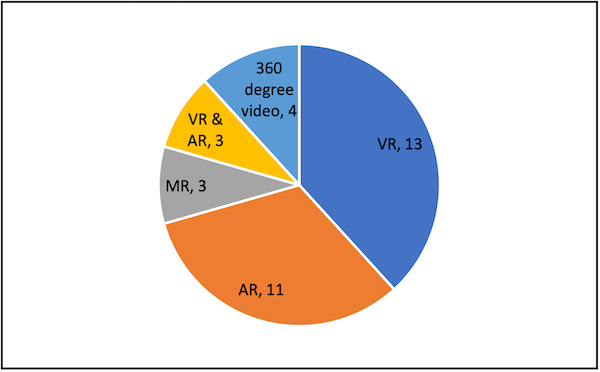
Figure 2 shows that the most widely studied immersive learning technology in teacher education were VR and AR, with VR (n = 13), AR (n = 11), and both VR and AR (n = 3) studies leading in frequency. This emphasis may be attributed to the accessibility and versatility of VR and AR, which allow educators to simulate real-world teaching scenarios and interactive experiences. In comparison, other technologies like MR (n = 3) and 360-degree video (n = 4) have received relatively less attention, possibly due to higher costs, technological limitations, or fewer accessible applications in education. This trend suggests an area for future research to evaluate the unique contributions of less explored technologies, such as MR and 360-degree video, which may offer distinctive benefits viz., blending physical and digital worlds in MR or providing fully immersive perspectives with 360-degree video.
ii) Distribution of the Studies by Research Methods
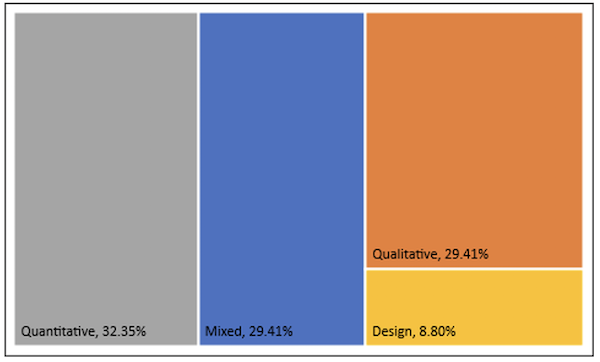
Figure 3 depicts the analysis of research methods in the reviewed studies which shows a preference for quantitative (11, 32.35%), qualitative (10, 29.41%), and mixed methods (10, 29.41%), with a minority focusedon design research (3, 8.8%). The predominance of quantitative studies may reflect an emphasis on measurable outcomes like learner performance and skill acquisition. In contrast, qualitative studies provide deeper insights into user experiences, potentially enhancing the understanding of teacher and student engagement with immersive technologies. A comparative analysis here indicates that while quantitative studies provide valuable statistical outcomes, qualitative and mixed methods offer critical perspectives on user attitudes, barriers, and acceptability, highlighting the need for method diversity to evaluate immersive learning comprehensively. However, design research was less represented, likely due to the resource-intensive nature of developing customised immersive tools specifically for teacher education. This limited focus suggests a gap; future research could benefit from more design studies to create and refine immersive technologies tailored to educators’ needs, offering practical models for broader application in teacher training.
iii) Distribution of Studies by the Year of Publication
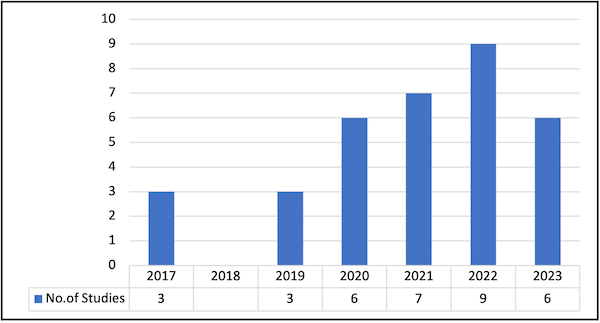
Figure 4 presents an overview of the chronological distribution of studies which indicated a marked increase in research on ILT in teacher education from 2020 onwards, with a peak in 2022 (n = 9). This rise aligns with global advancements in digital technology, as well as increased emphasis on remote and tech-enabled learning, accelerated by the Covid-19 pandemic. This analysis suggests a growing recognition of ILT’s potential benefits in education, reflecting both technological innovation and an evolving pedagogical landscape. This trend indicates that ILT is not just a temporary response to pandemic challenges but part of a sustained shift towards enhancing teaching practices with innovative digital tools.
iv) Distribution of Studies by Authors’ Countries
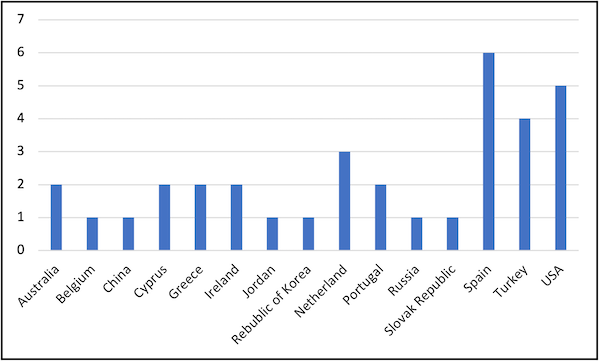
Figure 5 shows the geographical distribution of the authors’ countries. The reviewed studies span diverse countries, raising questions about how cultural and educational system variations impact the integration and effectiveness of ILT. For instance, disparities in infrastructure may affect access to VR and AR tools, influencing teacher training outcomes differently in well-resourced versus resource-constrained regions. Future research could explore these cross-cultural factors more deeply, as they are likely to shape how ILT is perceived and adopted in various educational contexts.
The findings indicate a strong focus on VR and AR, a balanced use of qualitative, quantitative, and mixed methodologies, and a growing number of studies in recent years that explore immersive learning technologies, particularly VR and AR, in teacher education in recent years. However, the review underscores the need for further exploration into the cultural and infrastructural challenges associated with adopting immersive learning technologies globally. This critical comparison of methodologies and attention to geographical distribution offers a nuanced perspective on the evolving landscape of ILT in teacher education.
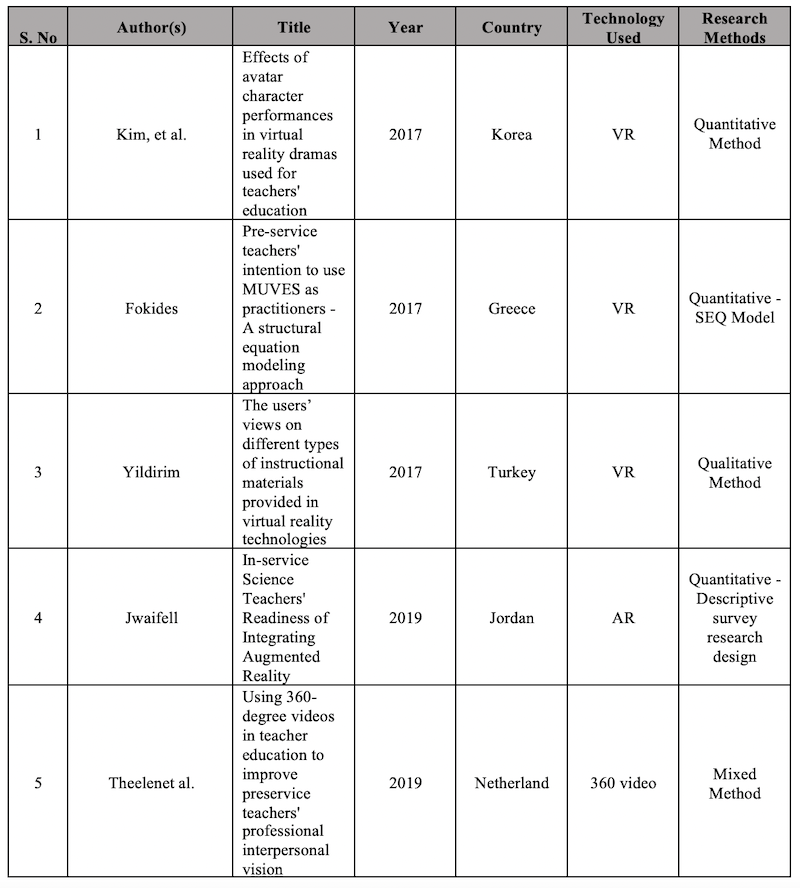
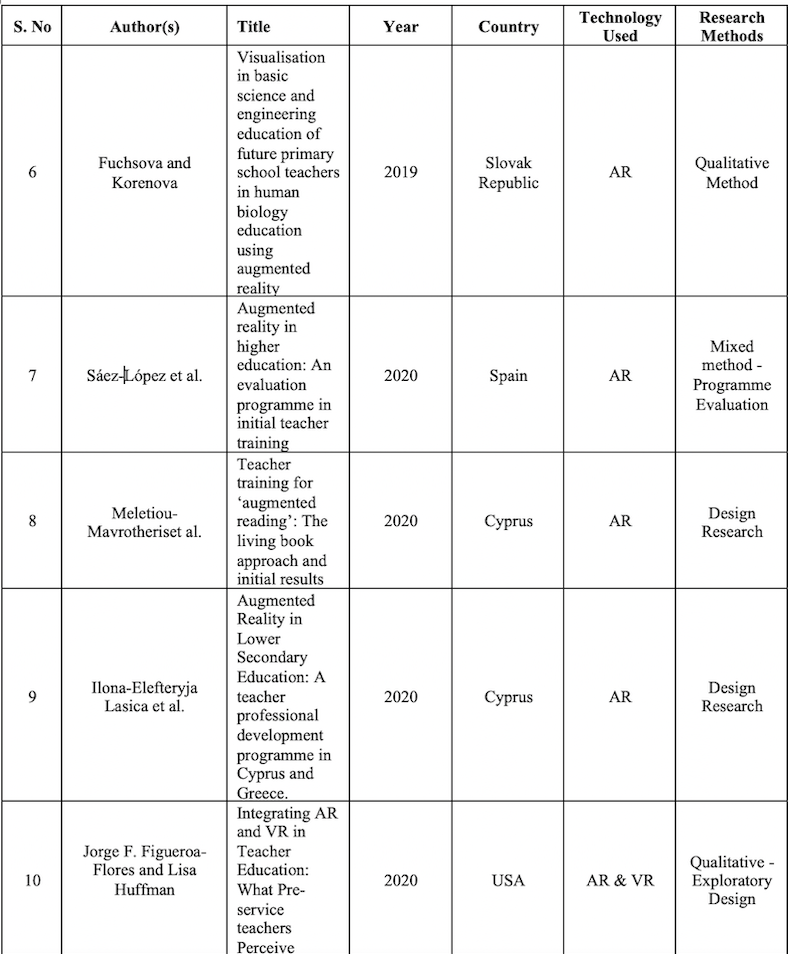
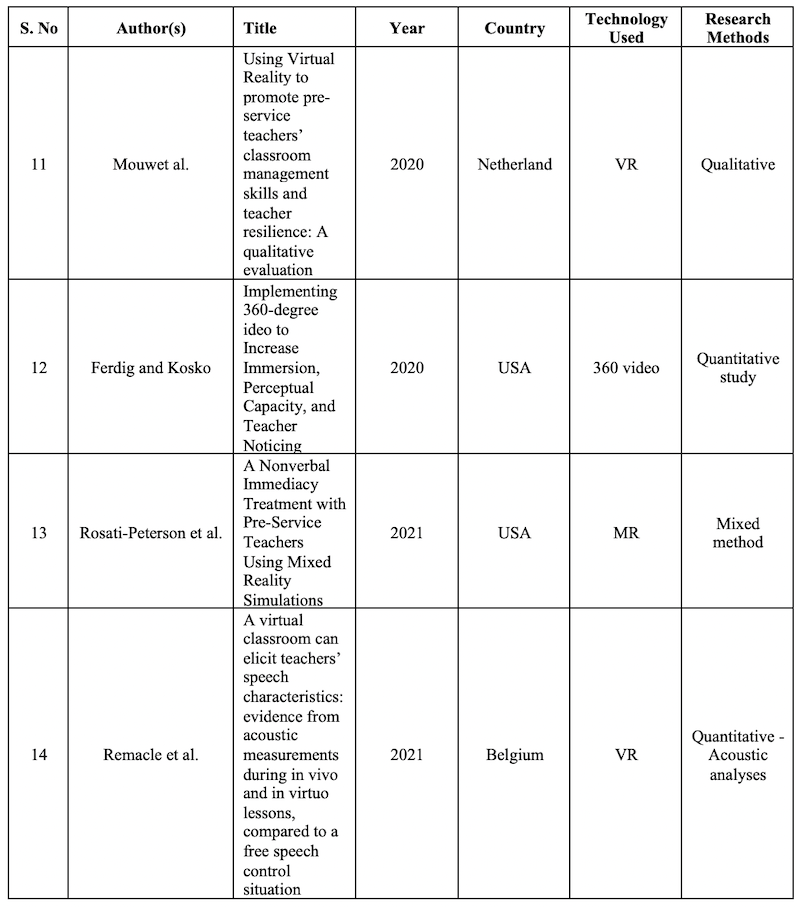
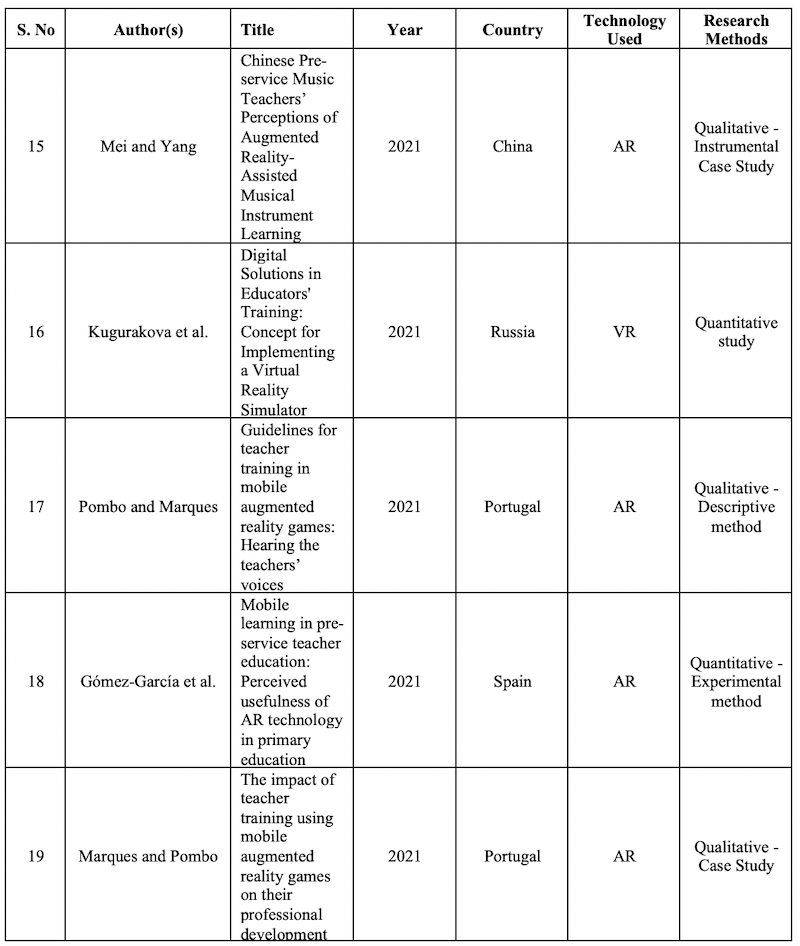
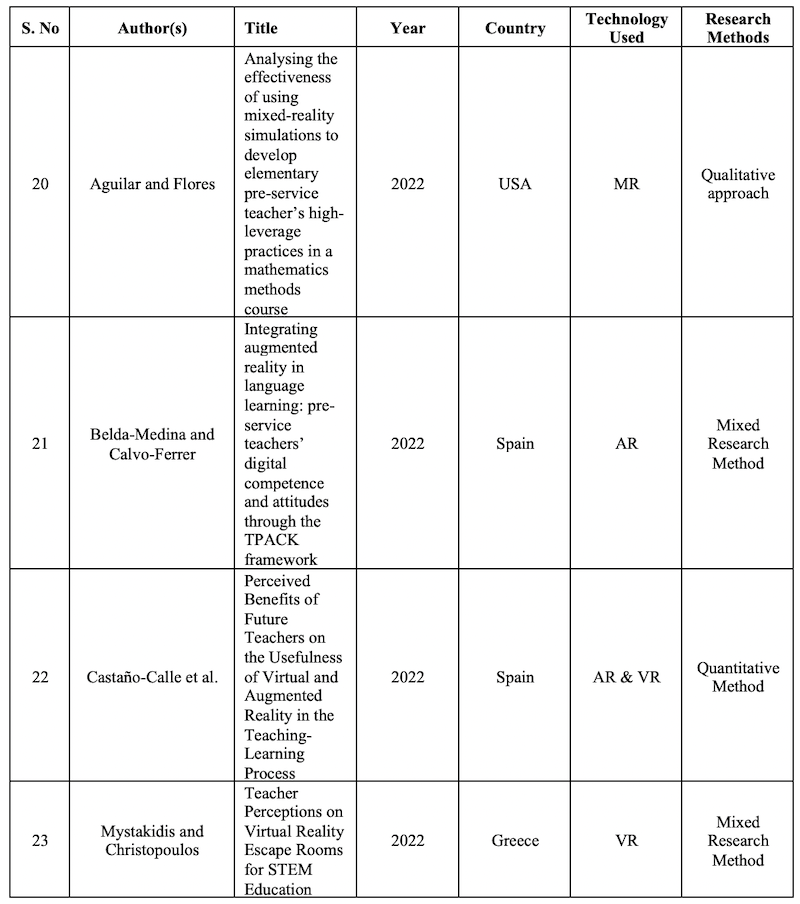
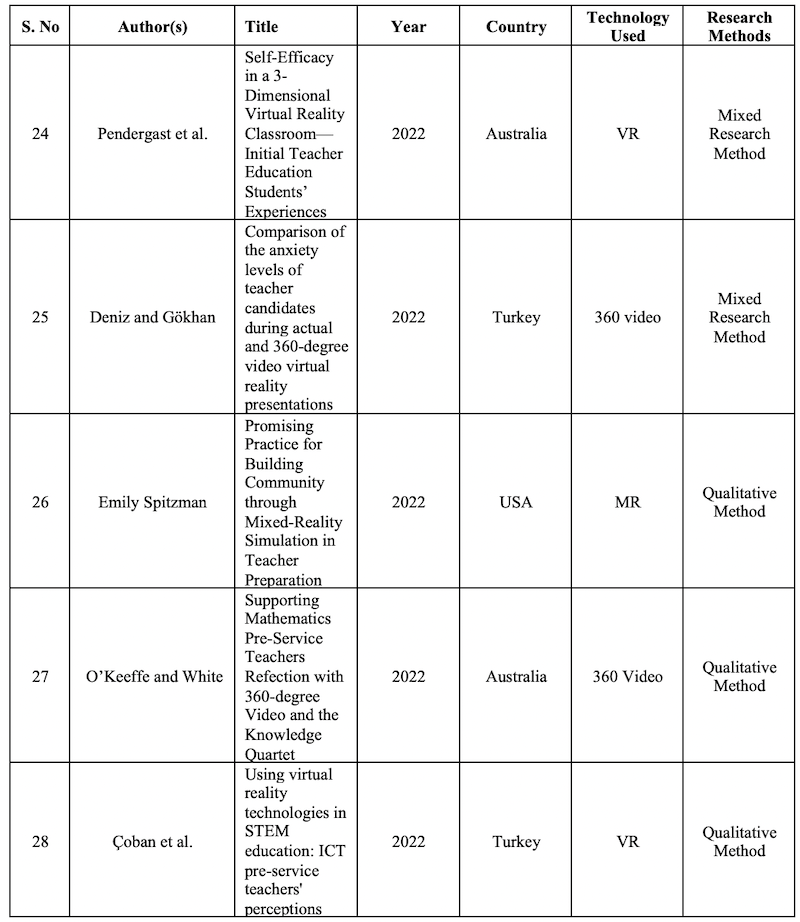
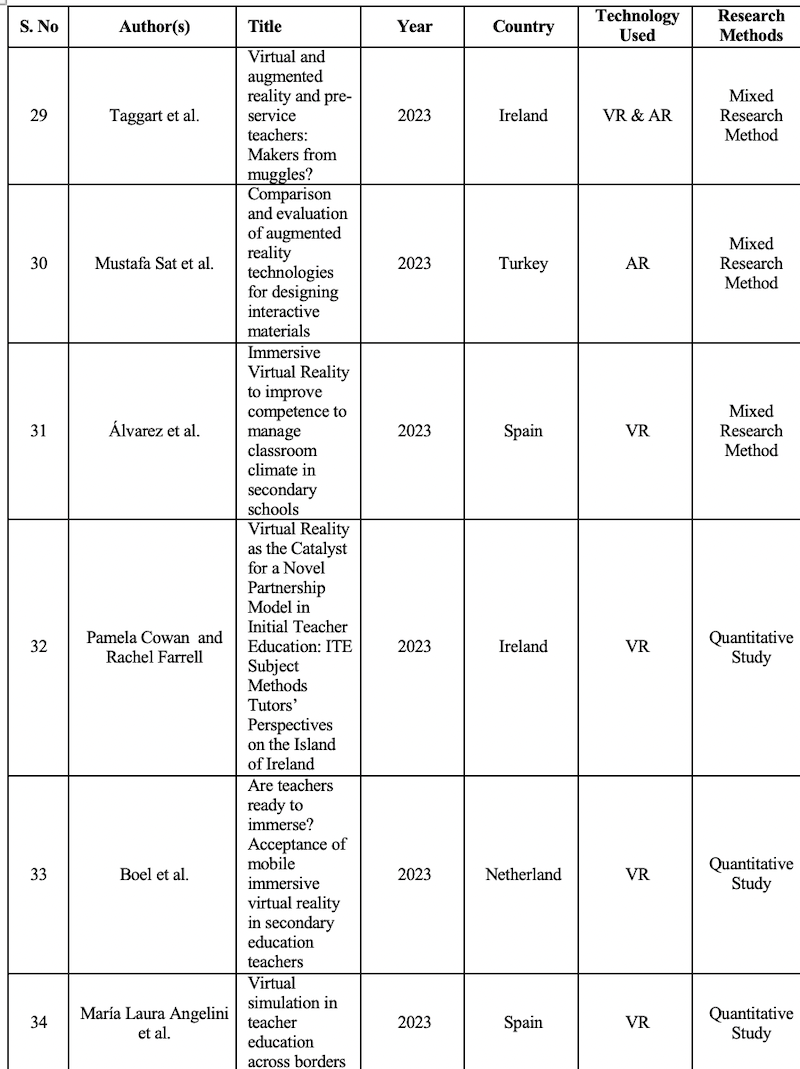
Regarding RQ2, the researchers reviewed the articles according to their respective focal themes, which included effectiveness, perceptions or attitudes, and teacher training regarding the use of ILTs for teacher education. Figure 6 shows the numbering links to Appendix A.
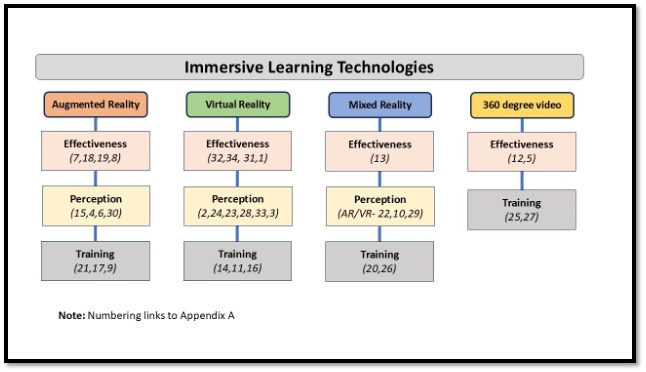
This systematic review explored trends across three dimensions.
i) Distribution of Studies by the Effectiveness of Immersive Learning Technologies
In terms of effectiveness, the majority of the reviewed studies favoured immersive learning technologies such as AR, VR, MR, and 360-degree video. For instance, AR technology has shown numerous benefits in teacher education, particularly in enhancing engagement and motivation among learners and PSTs. Sáez-López et al. (2020) found that AR, once initial challenges like teacher training and resource availability were addressed, significantly boosted student enthusiasm, creativity, and motivation in learning. Gomez et al. (2021) similarly reported that PSTs found AR to be a valuable teaching resource, noting its capacity to slightly increase motivation and provide substantial didactic benefits. In another study, Marques and Pombo (2021) demonstrated that using Mobile Augmented Reality Games (MARGs) in long-term teacher training positively impacted teachers’ professional growth. Their findings suggest that incorporating AR in teacher education transforms mobile and AR technologies from mere entertainment to valuable educational tools, enhancing teaching methods and student engagement. Furthermore, Meletiou-Mavrotheris et al. (2020) found AR enhanced PSTs’ reading experience by increasing engagement, providing context, supporting multimodal learning, encouraging interaction, and fostering 21st-century skills.
VR is gaining traction in teacher education, particularly in its potential to create immersive and reflective learning experiences. Cowan and Farrell (2023) emphasised VR’s future role in Initial Teacher Education (ITE) programmes. The study suggests a phased approach to integrate VR into teacher education, starting with existing content and gradually involving school mentors, to enhance learning awareness among tutors. Furthermore, the study, approved ethically, obtained informed consent from participants, demonstrating the importance of data privacy, consent, and understanding of the psychological impact of virtual environments on learners, all crucial for responsible use of ILT in education. Angelini et al. (2023) also examined VR’s effectiveness and found that virtual simulation fosters deep reflection on educational issues, with 93.4% of participants affirming its impact on their learning experience. Additionally, Álvarez et al. (2023) introduced the Didascalia Virtual-Classroom System, a VR tool designed to help PSTs manage classroom conflicts. PSTs reported that the system’s immersive, realistic content provided valuable hands-on experience for conflict management training. Furthermore, Kim et al. (2017) explored how VR’s immersive scenes with different shot sizes affect viewers’ engagement. The study found that shot size affected physiological responses and emotional absorption, with closer shots evoking stronger responses, highlighting VR’s cognitive and emotional engagement potential in teacher training.
MR, which combines elements of both real and virtual environments, offers distinct advantages in developing specific teaching skills. In line with this, Rosati et al. (2021) studied the use of MR simulation to train PSTs in nonverbal immediacy skills, which are key to effective communication and classroom management. The study utilised MR to enhance the skills of PSTs by combining video feedback with real-world reflections and coaching. This method allowed for direct feedback, refinement, and alignment with high-leverage teaching practices, highlighting its practicality in developing critical interpersonal skills. 360-degree videos have made significant contributions to ILT by allowing PSTs to observe and reflect on teaching practices from a fully immersive viewpoint. Ferdig and Kosko (2020) found that 360-degree videos increased immersion and perceptual capacity, enabling PSTs to adopt an expert teacher’s perspective in observing classroom interactions. The study revealed that 360-degree video enhances observation skills in teachers, improving their ability to integrate implicit and explicit knowledge, particularly when PSTs used VR headsets in a controlled environment. Theelen et al. (2019) further confirmed the effectiveness of 360-degree video in teacher training. Their study involved PSTs in VR headset-enabled sessions, allowing them to observe experienced teachers in action. The study found that PSTs improved their professional vision by enhancing their skills in observing classroom activities and using professional terminology, and that 360-degree video provided a rich, immersive experience in teaching dynamics.
ii) Distribution of Studies Based on Users’ Perceptions
AR’s potential in education received mixed responses among users. Mei and Yang (2021) found that while Chinese pre-service music teachers acknowledged AR’s usefulness for instrumental learning, they doubted its effectiveness and showed limited intention to implement it in the future. In contrast, Jwaifell (2019) reported a positive shift among in-service science teachers, particularly female teachers, who displayed higher readiness for AR integration in teaching. Fuchsova and Korenova (2019) identified AR as a powerful tool that boosts motivation, creativity, and understanding among PSTs. Similarly, Sat et al. (2023) highlighted PSTs positive experiences with various AR tools, noting high satisfaction and intention to use AR for educational purposes. This trend suggests AR’s perceived value in enhancing engagement and learning, though some PSTs still express reservations about practical implementation.
VR also demonstrated promising outcomes in user perceptions, particularly in fostering self-efficacy and engagement. Fokides (2017) found that PSTs’ intentions to use Multi-User Virtual Environments (MUVE) were strongly influenced by perceived ease of use and usefulness. Pendergast et al. (2022) showed VR’s positive impact on PSTs’ self-efficacy in pedagogy and technology, suggesting transformative potential for teacher education. Mystakidis and Christopoulos (2022) reported that in-service teachers valued VR Escape Rooms (VRER) for STEM education, noting cognitive benefits and positive outcomes. Çoban et al. (2022) echoed these findings, as ICT-PSTs expressed optimism about VR in STEM despite limited experience, particularly in exploring otherwise inaccessible content. Collectively, these studies suggest that VR is perceived as a beneficial tool for enhancing engagement, confidence, and educational outcomes across disciplines. In a study on mobile immersive VR (iVR), Boel et al. (2023) found that secondary education teachers valued performance expectancy, which significantly influenced their intention to use iVR in classrooms. Teachers anticipate higher engagement levels and positive outlook with mobile iVR’s potential to enhance teaching effectiveness, but practical considerations like usability remain critical. Another study, Yildirim (2017), revealed that users highly appreciated VR for its novelty and immersive experiences, with a preference for realistic, engaging content over photos and videos. However, limitations like low resolution, image quality, dizziness, and eye strain suggest improvements in VR content quality are needed.
Several studies explored PSTs’ perceptions of both AR and VR as transformative educational tools. Castano-Calle et al. (2022) emphasised that student teachers held favourable views towards AR and VR but stressed the need for comprehensive training to boost familiarity and confidence in using these tools. Figueroa-Flore and Huffman (2020) noted PSTs’ recognition of AR and VR as vital in fostering innovative thinking, skill development, and confidence. Additionally, Taggart et al. (2023) found that there was brief exposure to existing barriers like time constraints and technological advancements. This convergence of AR and VR reveals a shared perception of these tools as a powerful means to enhance pedagogical skills, provided there is sufficient training and exposure.
iii) Distribution of Studies by Teacher Training through Immersive Learning Technology
AR has demonstrated a strong potential for teacher training by enhancing PSTs’ self-perceived knowledge and attitudes. Belda-Medina and Calvo-Ferrer (2022) showed that using AR for project creation improved PSTs’ content, technical, and pedagogical knowledge, with positive attitudes across dimensions like reliability, satisfaction, and relevance. Pombo and Marques (2021) emphasised Mobile Augmented Reality Games (MARGs) as a valuable teacher training tool, providing hands-on experiences and increasing satisfaction. Lasica et al. (2020) highlighted AR’s effectiveness in STEM education, where teachers observed improvements in students’ 21st-century skills motivation, underscoring AR’s potential to foster relevant educational competencies.
VR is noted for its effectiveness in classroom management training and promoting resilience. Remacle et al. (2021) found that VR simulations positively impacted PSTs’ classroom management skills and voice characteristics, enabling skill transfer to real world settings. Mouw et al. (2020) confirmed these benefits, with PSTs expressing enthusiasm for VR’s role in developing classroom management skills, though school-based educators were cautious about VR’s lack of human interaction. Similarly, Deniz and Gökhan (2022) reported that VR presentations significantly reduced PST anxiety by providing realistic, supportive environments for teaching practice. This realistic immersion in VR suggests it as a valuable alternative to real-world teaching experiences in teacher training.
MR simulations provide valuable connections between theory and practice, enhancing teaching skills in practical, interactive ways. Aguilar and Flores (2022) showed that MR simulations in a mathematics methods course significantly improved PSTs’ teaching abilities, with skill development closely tied to the frequency of simulation use. Spitzman et al. (2022) noted that MR offers a low-pressure environment for practice, allowing PSTs to bridge theoretical learning with practical application, receive feedback, and build confidence.
360-degree video has proven effective in enhancing reflective practice. O’Keeffe and White (2022) demonstrated that 360-degree video, when paired with a reflection framework, deepens PSTs’ reflective skills by allowing them to view classroom scenarios from multiple perspectives. This approach shifts reflection from simple descriptions to analytical responses, enriching PSTs’ ability to handle classroom situations. Kugurakova et al. (2021) compared VR with traditional learning methods, revealing that over 75% of participants had a positive experience, suggesting that immersive environments offer unique benefits that traditional methods may lack. These studies collectively indicate that immersive technologies, such as AR, VR, MR, and 360-degree video, provide PSTs with practical, reflective, and immersive experiences, enhancing both teaching and confidence.
This systematic literature review highlighted significant trends and outcomes in the application of ILT in teacher education. For RQ1, the researchers identified that VR and AR were the most frequently studied immersive technologies, primarily because they supported engaging and interactive learning experiences. These recent trends indicate an increasing focus on technologies like VR, AR, and MR in response to the rising demand for innovative teaching methods and digital learning environments. Additionally, there was a notable preference for qualitative, quantitative, and mixed research methods to evaluate the impact of ILT, though design-based approaches were less represented. This points to a need for more experimental and design-based studies to understand how immersive learning tools could be developed and optimised for teacher training.
For RQ2, the outcomes across the reviewed studies suggest that ILT contributed positively to various dimensions of teacher training, including content knowledge, classroom management skills and reflective practice. Studies demonstrated that VR, AR, MR, and 360-degree videos enhanced teacher candidates’ motivation, engagement, self-efficacy, and classroom readiness. However, the effectiveness of these tools can vary based on factors like the technology type, the depth of training, and cultural context. Overall, ILT shows promise in equipping pre-service and in-service teachers with practical and reflective skills, though challenges like accessibility, cost, and integration require further exploration.
In summary, while ILT holds potential for transforming teacher education, further research is needed to refine these tools and address implementation barriers, ensuring that their benefits can be broadly realised. Future research could explore how ILT could be adapted for low-resource schools and could examine its effects on teacher-student relationships. Studies on the cost-effectiveness of immersive tools are also needed to guide scalable implementations.
Acknowledgement: The scholar Dr. S. Selvakumar is the awardee of the ICSSR Post-Doctoral Fellowship. This paper is largely an outcome of the Post-Doctoral Fellowship sponsored by the Indian Council of Social Science Research (ICSSR). However, the responsibility for the facts stated, opinions expressed, and the conclusions drawn is entirely of the author.
Abd-Rabo, A.M., & Hashaikeh, S.A. (2021). The digital transformation revolution. International Journal of Humanities and Educational Research, 3(4), 124-128. https://doi.org/10.47832/2757-5403.4-3.11
Aguilar, J.J., & Flores, Y. (2022). Analyzing the effectiveness of using mixed-reality simulations to develop elementary pre-service teacher's high-leverage practices in a mathematics methods course. EURASIA Journal of Mathematics, Science and Technology Education, 18(5). https://doi.org/10.29333/ejmste/12006
Al-Emran, M., Mezhuyev, V., & Kamaludin, A. (2018). Technology acceptance model in M-learning context: A systematic review. Computers & Education, 125, 389-412. https://doi.org/10.1016/j.compedu.2018.06.008
Álvarez, I.M., Manero, B., Morodo, A., Suñé-Soler, N., &Henao, C. (2023). Immersive Virtual Reality to improve competence to manage classroom climate in secondary schools. Educación XX1, 26(1), 249-272. https://doi.org/10.5944/educxx1.33418
Angelini, M.L., Muñiz, R., & Lozano, A.C. (2023). Virtual simulation in teacher education across borders. Education and Information Technologies, 1-19. https://doi.org/10.1007/s10639-023-12244-z
Barto, A. (2020). Immersive learning: What it is and how to use it. Roundtable Learning. https://roundtablelearning.com/immersive-learning-what-it-is-and-how-to-use-it/
Belda-Medina, J., & Calvo-Ferrer, J.R. (2022). Integrating augmented reality in language learning: Pre-service teachers’ digital competence and attitudes through the TPACK framework. Education and Information Technologies, 27(9), 12123-12146. https://doi.org/10.1007/s10639-022-11123-3
Boel, C., Rotsaert, T., Valcke, M., Rosseel, Y., Struyf, D., &Schellens, T. (2023). Are teachers ready to immerse? Acceptance of mobile immersive virtual reality in secondary education teachers. Research in Learning Technology, 31. https://doi.org/10.25304/rlt.v31.2855
Buljan, M. (2022). Transforming education with immersive learning techniques. eLearning Industry. https://elearningindustry.com/transforming-education-with-immersive-learning-techniques.
Castaño-Calle, R., Jiménez-Vivas, A., Poy Castro, R., Calvo Álvarez, M.I., &Jenaro, C. (2022). Perceived benefits of future teachers on the usefulness of Virtual and Augmented Reality in the teaching-learning process. Education Sciences, 12(12), 855. https://doi.org/10.3390/educsci12120855
Çoban, M., Akçay, N.O., & Çelik, İ. (2022). Using Virtual Reality technologies in STEM education: ICT Pre-Service Teachers' perceptions. Knowledge Management & E-Learning, 14(3), 269-285. https://doi.org/10.34105/j.kmel.2022.14.015
Cowan, P., & Farrell, R. (2023). Virtual Reality as the catalyst for a novel partnership model in initial teacher education: ITE subject methods tutors’ perspectives on the island of Ireland. Education Sciences, 13(3), 228. https://doi.org/10.3390/educsci13030228
Deniz, A.T.A.L., & Kizilişikoğlu, G. (2022).Comparison of the anxiety levels of teacher candidates during actual and 360° video virtual reality presentations. Journal of Educational Technology and Online Learning, 5(4), 981-999. https://doi.org/10.31681/jetol.1164117
Ferdig, R.E., & Kosko, K.W. (2020). Implementing 360 video to increase immersion, perceptual capacity, and teacher noticing. TechTrends, 64(6), 849-859. https://doi.org/10.1007/s11528-020-00522-3
Figueroa-Flore, J.F., & Huffman, L. (2020). Integrating AR and VR in teacher education: What pre-service teachers perceive. Frontiers in Education Technology, 3(4), 5. https://doi.org/10.22158/fet.v3n4p5
Fleming, T. (2021). Immersive learning — What it is, benefits and how to implement. Future Visual. https://www.futurevisual.com/blog/immersive-learning/
Fokides, E. (2017). Pre-service teachers’ intention to use MUVEs as practitioners—A structural equation modeling approach. Journal of Information Technology Education. Research, 16, 47. https://doi.org/10.28945/3645
Fuchsova, M., & Korenova, L. (2019). Visualisation in basic science and engineering education of future primary school teachers in human biology education using Augmented Reality. European Journal of Contemporary Education, 8(1), 92-102. https://doi.org/10.13187/ejced.2019.1.92
Gómez-García, G., Hinojo-Lucena, F.J., Alonso-García, S., & Romero-Rodríguez, J.M. (2021). Mobile learning in pre-service teacher education: Perceived usefulness of AR technology in primary education. Education Sciences, 11(6), 275. https://doi.org/10.3390/educsci11060275
Hamilton, D., McKechnie, J., Edgerton, E., & Wilson, C. (2021). Immersive Virtual Reality as a pedagogical tool in education: A systematic literature review of quantitative learning outcomes and experimental design. Journal of Computers in Education, 8(1), 1-32.
Jwaifell, M. (2019). In-service science teachers' readiness of integrating Augmented Reality. Journal of Curriculum and Teaching, 8(2), 43-53. https://doi.org/10.5430/jct.v8n2p43
Kim, P.W., Shin, Y.S., Ha, B.H., & Anisetti, M. (2017). Effects of avatar character performances in virtual reality dramas used for teachers’ education. Behaviour & Information Technology, 36(7), 699-712. https://doi.org/10.1080/0144929x.2016.1275809
Kugurakova, V.V., Golovanova, I.I., Shaidullina, A.R., Khairullina, E.R., &Orekhovskaya, N.A. (2021). Digital solutions in educators' training: Concept for implementing a Virtual Reality simulator. Eurasia Journal of Mathematics, Science and Technology Education, 17(9). https://doi.org/10.29333/ejmste/11174
Kumar, J. (2020). Everything you need to know about immersive learning. eLearning Industry. https://elearningindustry.com/everything-need-know-about-immersive-learning.
Lasica, I.E., Meletiou-Mavrotheris, M., & Katzis, K. (2020). Augmented Reality in lower secondary education: A teacher professional development program in Cyprus and Greece. Education Sciences, 10(4), 121. https://doi.org/10.3390/educsci10040121
Lau, G. (2021). Decoding immersive learning: What it is and how it works. Emerging Education Technologies. https://www.emergingedtech.com/2021/12/decoding-immersive-learning-how-it-works/
Marques, M.M., & Pombo, L. (2021). The impact of teacher training using mobile augmented reality games on their professional development. Education Sciences, 11(8), 404. https://doi.org/10.3390/educsci11080404
Mei, B., & Yang, S. (2021). Chinese pre-service music teachers’ perceptions of augmented reality-assisted musical instrument learning. Frontiers in Psychology, 12, 609028. https://doi.org/10.3389/fpsyg.2021.609028
Meletiou-Mavrotheris, M., Carrilho, A.R., Charalambous, C., Mavrou, K., & Christou, C. (2020). Teacher training for ‘augmented reading’: The living book approach and initial results. Education Sciences, 10(5), 144.https://doi.org/10.3390/educsci10050144
Ministry of Education, Government of India. (2020). National Education Policy 2020. New Delhi, India. https://www.education.gov.in/sites/upload_files/mhrd/files /NEP_Final_English_0.pdf
Mouw, J.M., Fokkens-Bruinsma, M., & Verheij, G.J. (2020). Using Virtual Reality to promote pre-service teachers’ classroom management skills and teacher resilience: A qualitative evaluation. In Proceedings of the 6th International Conference on Higher Education Advances (HEAd’20). (pp. 325-332). UniversitatPolitècnica de València. https://doi.org/10.4995/head20.2020.11049
Mystakidis, S., & Christopoulos, A. (2022). Teacher perceptions on virtual reality escape rooms for STEM education. Information, 13(3). 136. https://doi.org/10.3390/info13030136
O'Keeffe, L., & White, B. (2022). Supporting mathematics pre-service teachers refection with 360degree video and the knowledge quartet. Australian Journal of Teacher Education (Online), 47(3), 57-71. https://doi.org/10.14221/ajte.2022v47n3.4
Page, M.J., McKenzie, J.E., Bossuyt, P.M., Boutron, I., Hoffmann, T.C., Mulrow, C.D., ... & Moher, D. (2021). The PRISMA 2020 statement: An updated guideline for reporting systematic reviews. BMJ, 372. https://doi.org/10.1136/bmj.n71
Pendergast, D., O’Brien, M., Prestridge, S., & Exley, B. (2022). Self-efficacy in a 3-dimensional virtual reality classroom—Initial teacher education students’ experiences. Education Sciences, 12(6), 368. https://doi.org/10.3390/educsci12060368
Pombo, L., & Marques, M.M. (2021). Guidelines for teacher training in mobile augmented reality games: Hearing the teachers’ voices. Education Sciences, 11(10), 597. https://doi.org/10.3390/educsci11100597
Remacle, A., Bouchard, S., Etienne, A.M., Rivard, M. C., & Morsomme, D. (2021). A virtual classroom can elicit teachers’ speech characteristics: Evidence from acoustic measurements during in vivo and in virtuo lessons, compared to a free speech control situation. Virtual Reality, 25, 935-944. https://doi.org/10.1007/s10055-020-00491-1
Rosati-Peterson, G.L., Piro, J.S., Straub, C., & O’Callaghan, C. (2021). A nonverbal immediacy treatment with pre-service teachers using mixed reality simulations. Cogent Education, 8(1), 1882114. https://doi.org/10.1080/2331186x.2021.1882114
Sáez-López, J.M., Cózar-Gutiérrez, R., González-Calero, J.A., & Gómez Carrasco, C.J. (2020). Augmented Reality in higher education: An evaluation program in initial teacher training. Education Sciences, 10(2). https://doi.org/10.3390/educsci10020026
Sat, M., Ilhan, F., &Yukselturk, E. (2023). Comparison and evaluation of Augmented Reality technologies for designing interactive materials. Education and Information Technologies, 28(9), 11545-11567. https://doi.org/10.1007/s10639-023-11646-3
Spitzman, E., Balconi, A., Renaud, G., Ingle, J., & Cayson, A. (2022). Promising practice for building community through mixed-reality simulation in teacher preparation. Journal of the Scholarship of Teaching and Learning, 22(1).
Taggart, S., Roulston, S., Brown, M., Donlon, E., Cowan, P., Farrell, R., & Campbell, A. (2023). Virtual and Augmented Reality and pre-service teachers: Makers from muggles? Australasian Journal of Educational Technology, 39(3), 1-16. https://doi.org/10.14742/ajet.8610
Theelen, H., Van den Beemt, A., & Den Brok, P. (2019). Using 360‐degree videos in teacher education to improve preservice teachers' professional interpersonal vision. Journal of Computer Assisted Learning, 35(5), 582-594. https://doi.org/10.1111/jcal.12361
Thompson, S. (2021). Immersive learning: Why is it effective? Virtual Speech. https://virtualspeech.com/blog/immersive-learning.
Walshe, N., & Driver, P. (2019). Developing reflective trainee teacher practice with 360-degree video. Teaching and Teacher Education, 78. https://doi.org/10.1016/J.TATE.2018.11.009
Yildirim, G. (2017). The users’ views on different types of instructional materials provided in Virtual Reality technologies. European Journal of Education Studies, 3(11).
Author Notes
Dr. Selvakumar Silaiyappan is an ICSSR Post-Doctoral Fellow (PDF), pursuing his post-doctoral research in the area of Immersive Learning and Teacher Education. He earned his PhD in the broad field of blended learning. He has presented 17 articles at national and international level conferences and published 10 research articles in Scopus-indexed and peer-reviewed journals. Email: selvaphdedu@gmail.com (https://orcid.org/0000-0001-9021-5563)
Prof. Sivakumar Palaniyandi is a Senior Professor and Head of the Department of Education (CDOE) at Alagappa University, Karaikudi, Tamil Nadu, India. His areas of expertise include educational technology, biology education, and curriculum development. With over 33 years of experience, he has held numerous academic and administrative positions like Dean of Education, Director—Centre for Distance and Online Education (CDOE), and Special Officer Planning & Development. He has authored 183 research papers, six books, two modules, two research monographs, and six self-instructional material books. Moreover, he has guided 19 PhDs, 32 M.Phil., and 20 PG candidates. He visited Singapore, Paris, Thailand, Malaysia, and Cambodia for academic purposes. He actively contributes to academic and professional committees for the various universities in and around Tamil Nadu. Email: psksiva2002@gmail.com (https://orcid.org/0000-0002-0245-6947)
Cite as: Selvakumar, S., & Sivakumar, P. (2025). Immersive learning technology for teacher education: A systematic literature review. Journal of Learning for Development, 12(1), 56-75.